WELCOME TO OUR WEBSITE
In our company we provide different services we can helps you in the following issues;
Services:
- Logo Design: Custom logos that align with the brand identity.
- Branding: Creating a complete visual identity (color palettes, typography, brand guidelines).
- Website Design & Graphics: UI/UX design for websites, including custom graphics, icons, and layouts.
- Marketing Materials: Designing brochures, flyers, and other print media for offline marketing.
- Advertising Design: Creating compelling advertisements for both digital (online banners, social media ads) and print campaigns.
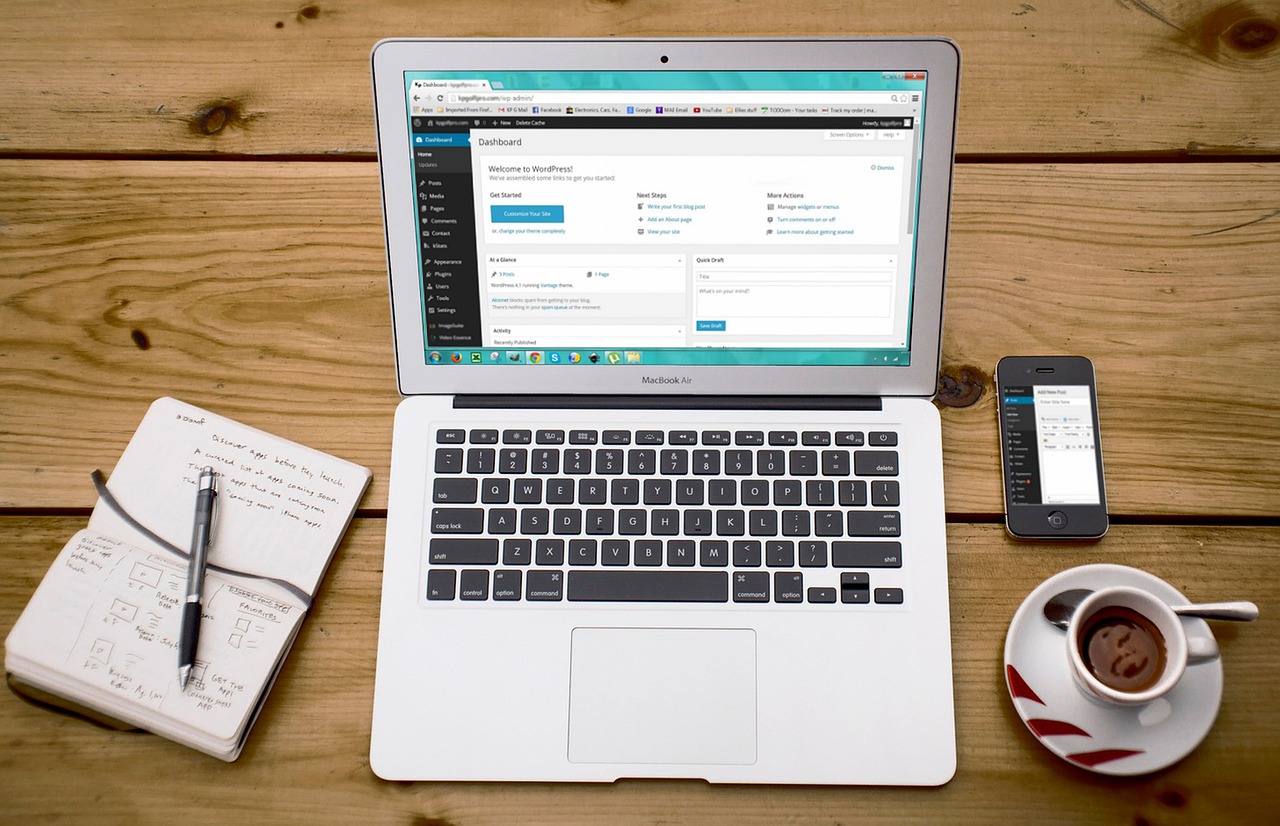
Our company typically follows a structured process when we working on website design projects. Here’s a breakdown of how they generally we work in terms of website design:
1. Initial Consultation
- Client Meeting: The company meets with the client to understand the project’s requirements. This includes business goals, target audience, design preferences, branding guidelines, and functionality needs.
- Project Scope: Based on this meeting, the scope of the project is defined, outlining deliverables, timelines, and budget.
2. Planning and Research
- Market Research: The design team conducts research on the client’s industry, competitors, and target audience to better understand the market.
- Content Strategy: The company works with the client to plan the site’s structure, content layout, and user experience (UX). This may involve creating a sitemap and defining the essential pages (e.g., Home, About Us, Services, Contact).
3. Wireframing and Prototyping
- Wireframes: Designers create wireframes (basic, low-fidelity layouts) that map out the structure and content placement of the website. This helps visualize the website’s flow and functionality without focusing on design aesthetics yet.
- Prototypes: Once wireframes are approved, the company may develop interactive prototypes. These allow the client to experience the basic functionality before actual development begins.
4. Design and Branding
- Visual Design: Designers work on the website’s visual elements, including colors, fonts, logos, images, and icons. They ensure the design aligns with the client’s brand identity (like logo, color palette, typography).
- Mockups: High-fidelity mockups or visual representations of the website are created. These mockups are typically presented to the client for feedback and revisions.
5. Development
- Frontend Development: The website’s visual design is translated into code using HTML, CSS, and JavaScript to create an interactive, user-friendly frontend. This includes ensuring responsive design, meaning the site works well on desktops, tablets, and mobile devices.
- Backend Development: Developers work on the server-side functionality of the website. This includes setting up databases, integrating third-party tools, and ensuring security and performance.
- Content Management System (CMS): If required, a CMS (like WordPress, Shopify, or custom CMS) is integrated so the client can manage content easily after launch.
6. Testing
- Cross-Device Testing: The website is tested on different devices and browsers to ensure compatibility and responsiveness.
- Bug Fixing: Developers identify and fix any bugs or glitches related to functionality, loading speed, or responsiveness.
- Usability Testing: User testing may be done to ensure that the website is easy to navigate and intuitive for visitors.
7. Launch
- Final Review: The website is reviewed with the client one last time for approval before launch.
- Deployment: The website is launched on a live server. DNS settings and hosting are configured for the website to be accessible to the public.
8. Post-Launch Support
- Maintenance: After the site is live, the company may offer ongoing maintenance, which includes updating content, improving security, and adding new features.
- Analytics and Monitoring: The performance of the website is monitored using analytics tools (like Google Analytics). The design company may track visitor behavior, site traffic, and other metrics to optimize performance and user experience.
- SEO: The company may also assist with search engine optimization (SEO), ensuring that the website ranks well on search engines by improving page speed, keyword optimization, and other SEO best practices.
9. Feedback and Revisions
- The company may gather feedback from the client and users, making necessary adjustments to improve the website over time based on the data and feedback collected post-launch.
Collaboration Between Design and Development Teams
- Designers and Developers Work Together: In many agencies, designers and developers work closely together to ensure the vision and functionality align. Designers focus on aesthetics and user experience, while developers ensure the design is implementable with technical precision.
- Communication is Key: The entire process involves continuous communication between the client, design team, and development team to ensure everything is on track.
Our company specializes in creating visual content for a wide range of purposes, from branding and marketing materials to digital media and print. Their workflow involves creativity, technical skills, and collaboration to produce designs that communicate a message effectively. Here’s how a typical graphic design company works when focusing on graphic design:
1. Client Consultation and Briefing
- Initial Meeting: The process usually starts with a meeting between the client and the design team. This allows the company to understand the client’s needs, goals, and vision for the design project. It’s crucial to gather information such as the purpose of the design (e.g., logo, promotional materials, website graphics), target audience, and any specific style or color preferences.
- Brand Guidelines: If the client already has an established brand, the design company will review the client’s brand guidelines (like logo, color schemes, and fonts) to ensure the new designs are aligned with the brand identity.
2. Research and Concept Development
- Industry Research: Graphic designers conduct research on the client’s industry, competitors, and target audience. This helps in understanding the context for the design and ensuring that it’s relevant and stands out from the competition.
- Mood Boards and Inspiration: The design team may create mood boards—visual collections of inspiration and references that define the style, mood, and elements for the project. This gives both the designer and client a clearer understanding of the direction.
- Concept Creation: Based on the information gathered, designers sketch initial design concepts or create rough drafts. These could be logos, posters, social media visuals, or other designs, depending on the project. Multiple ideas are usually explored at this stage.
3. Design Execution
- Software Tools: Once the design concept is chosen, graphic designers use specialized software like Adobe Illustrator, Photoshop, InDesign, or other design tools to create the final design. This is when the design is refined, and the details are worked out—such as typography, colors, and layout.
- Color Theory and Typography: Designers apply principles like color theory and typography to ensure the visuals are appealing, readable, and effective in conveying the right message. They ensure that the design elements align with the client’s brand and objectives.
- Digital and Print Considerations: Depending on the medium (digital or print), designers optimize the design for the appropriate format. For digital designs, they consider things like screen resolution, pixel dimensions, and file types (JPG, PNG, SVG). For print designs, they ensure the files are set to the correct print resolution and color profile (CMYK vs. RGB).
4. Feedback and Revisions
- Client Presentation: After developing the initial design or design concepts, the graphic design company presents them to the client. The client may provide feedback or request changes. This is an iterative process where the design team may go through several rounds of revisions.
- Adjustments: The company makes any necessary adjustments to the design based on the client’s feedback. This can include altering colors, adjusting the layout, changing fonts, or tweaking images to better align with the client’s vision.
5. Finalizing the Design
- Polishing: Once the client approves the design, the designer finalizes it by ensuring all elements are cohesive, the quality is top-notch, and there are no errors. This may involve adding finishing touches, ensuring alignment, and making sure everything is properly proportioned.
- File Preparation: For the final delivery, the graphic designer prepares the files in the appropriate formats based on the project. For example:
- For Print: Files are typically provided in high-resolution formats like PDFs, with crop marks and bleeds for printing.
- For Web or Digital: Files may be optimized for web use in formats like PNG, JPG, or SVG, ensuring fast loading times and proper display on screens.
- Style Guide (if applicable): For brand-related projects (like logos or complete brand identities), a style guide might be delivered to the client. This guide includes detailed instructions on how to use the design elements (logo, color palette, fonts, etc.) consistently across different media.
6. Delivery and Handover
- File Transfer: The final design files are delivered to the client in multiple formats, ensuring that they can be used for different purposes (e.g., online, in print, on merchandise).
- Client Support: The company may offer post-delivery support, ensuring that the client is satisfied with the design and providing assistance in using the design (e.g., resizing for social media, file format conversions).
7. Post-Project Support
- Revisions or Additions: If the client wants to make further revisions or additions after the project is complete (e.g., a change in design direction or the need for new marketing materials), many design companies offer ongoing support.
- Maintenance and Updates: For long-term projects, such as a brand identity system, the design company might provide periodic updates or changes based on evolving business needs or new design trends.
Collaboration and Tools Used
- Communication and Feedback: Throughout the design process, communication between the client and the design team is crucial. The company may use communication tools like email, video calls, and collaborative platforms (e.g., Slack, Trello, or Asana) to manage feedback and project timelines.
- Collaboration Software: Design companies often use collaborative tools like Figma or Adobe XD for real-time feedback, allowing clients to comment directly on the designs and collaborate in the design process.
Example Graphic Design Projects
- Branding Design: Creating logos, business cards, letterheads, and other brand assets to establish a visual identity for a company or individual.
- Marketing Materials: Designing flyers, posters, brochures, or banners to promote products or services.
- Social Media Graphics: Developing visuals for social media posts, ads, and banners, making sure they are optimized for different platforms (Instagram, Facebook, Twitter).
- Packaging Design: Designing product packaging that aligns with the brand and attracts consumers.
- Web and Mobile Graphics: Designing icons, banners, and illustrations for websites and mobile apps to enhance the user interface and experience.
Collaboration Between Designers
- Teamwork: Many graphic design companies have teams of designers who collaborate on projects. For example, one designer may specialize in typography, while another focuses on illustrations or digital design. Together, they combine their skills to create a cohesive design.
- Feedback Loops: Senior designers or creative directors often review designs before presenting them to the client to ensure the quality and direction of the work align with the company’s standards.
In essence, a graphic design company works by understanding the client’s needs, creating design concepts, refining those concepts through feedback, and delivering high-quality, polished designs. The process involves research, creativity, technical expertise, and constant communication with the client to ensure the design meets the project goals and resonates with the target audience.